

There’s something exciting about visiting the U.S. Virgin Islands for the first time. You probably have a picture in your mind of turquoise water, palm trees, white sand, and sunny days. And yes, you’ll find all of that here.
But the USVI has a way of surprising people.
After moving from southern Mississippi to St. Croix and spending years experiencing everyday island life, I’ve learned that there are plenty of things visitors don’t necessarily expect. Some are charming, some are amusing, and a few are worth knowing before you arrive.
Whether you’re visiting St. Croix, St. Thomas, or St. John, here are 25 things that might surprise you about the U.S. Virgin Islands.
1. We Drive on the Left, but Most Cars Have the Steering Wheel on the Left
This is probably the first surprise visitors encounter after leaving the airport.
In the USVI, vehicles drive on the left side of the road, even though most vehicles are American-made or American-market models with the steering wheel on the left.
It takes a little getting used to, especially when making turns or navigating intersections. If you’re renting a vehicle, take your time and pay extra attention during your first few drives.
And remember: left side, left side, left side.
2. You Don’t Need a Passport If You’re a U.S. Citizen
One of the great conveniences of visiting the U.S. Virgin Islands is that U.S. citizens generally don’t need a passport to travel here directly from the United States.
The USVI is a U.S. territory, so you’re traveling to a domestic destination rather than a foreign country.
However, you’ll still need acceptable identification for air travel, and travelers departing the USVI for the mainland go through a federal inspection process. A valid passport can make that process easier, so it’s worth bringing one if you have it.
If your itinerary includes the British Virgin Islands or another foreign destination, different entry requirements apply.
3. The Three Main Islands Feel Surprisingly Different
St. Thomas, St. John, and St. Croix may all be part of the same territory, but each has its own personality.
St. Thomas is known for its bustling harbor, shopping, resorts, cruise ships, and spectacular viewpoints.
St. John offers protected natural landscapes, hiking trails, and beautiful beaches, with much of the island preserved within Virgin Islands National Park.
St. Croix is larger geographically, with historic towns, diverse landscapes, a strong local culture, and a generally more laid-back atmosphere.
Visiting one island doesn’t necessarily give you the full USVI experience.
4. St. Croix Isn’t Just a Quick Ferry Ride From St. Thomas
Many first-time visitors assume the three main islands are clustered close together.
St. Thomas and St. John are relatively close, with regular ferry connections. St. Croix, however, is roughly 40 miles south of St. Thomas.
Traveling between St. Croix and the other islands requires more planning, whether by air or an available ferry service.
If you’re planning to visit multiple islands, check transportation schedules before booking accommodations.
5. The Water Really Is That Blue
Sometimes travel photos make destinations look better than they do in person.
Fortunately, that’s not usually a problem here.
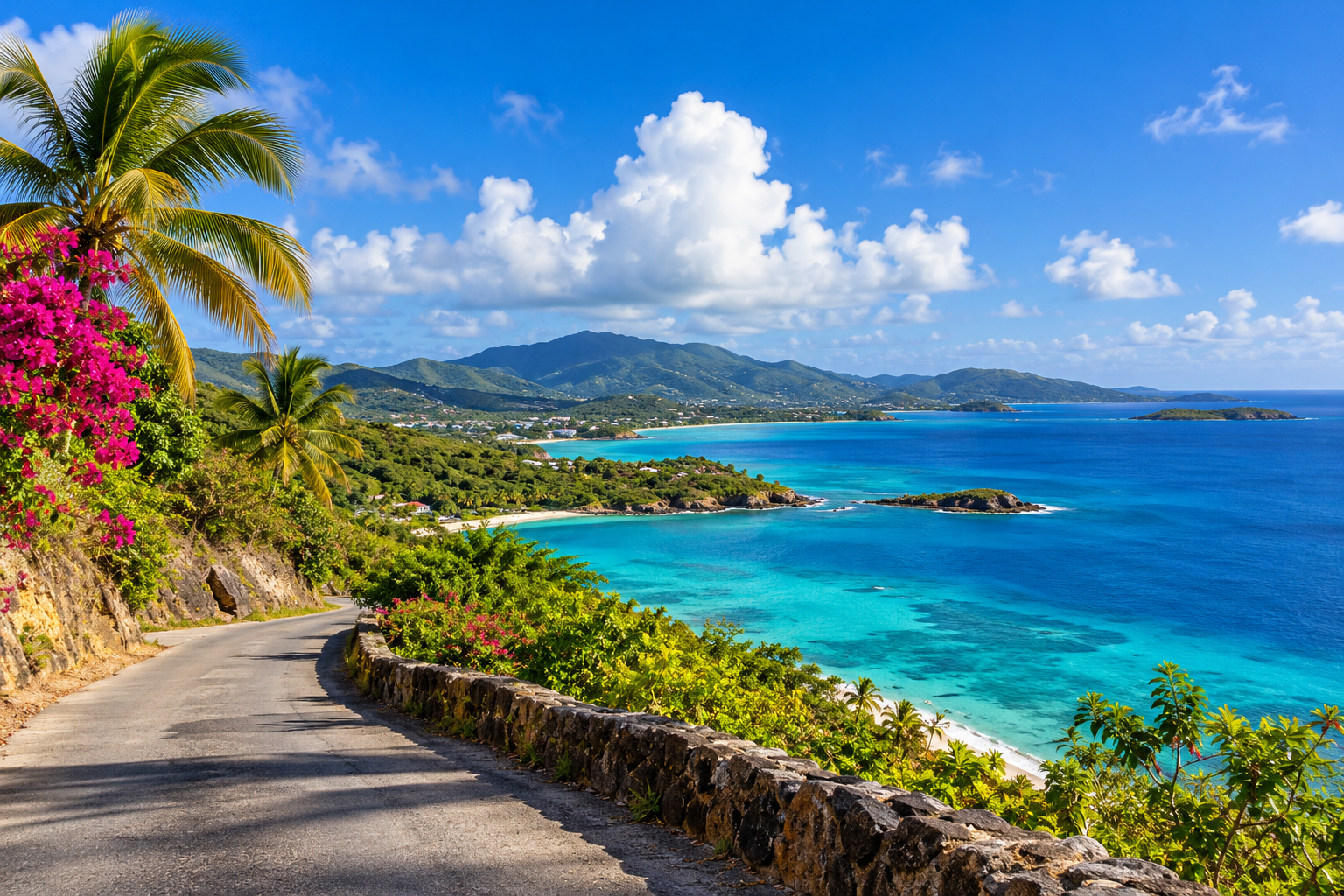
Depending on the location, weather, depth, and time of day, the water around the USVI can range from pale turquoise to brilliant blue and deep navy.
Even after years of living on St. Croix, I still find myself stopping to admire the colors.
6. Not Every Beach Looks Like a Postcard
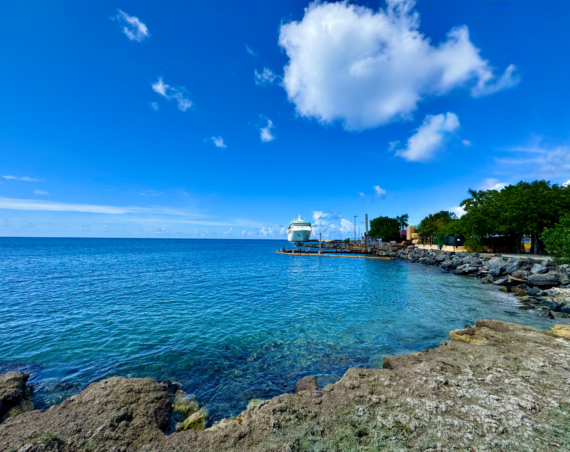
The USVI has some spectacular beaches, but not every shoreline features powdery white sand and calm water.
You’ll also find rocky coastlines, coral rubble, seagrass, rugged cliffs, and beaches exposed to strong waves.
That’s part of what makes the islands interesting. Different coastlines offer different experiences, from relaxing swims to snorkeling, photography, and dramatic ocean views.
The trick is choosing the right beach for what you want to do.
7. You Might See Sea Turtles While Snorkeling
One of the most memorable experiences for many visitors is encountering a sea turtle in the wild.
Green sea turtles and hawksbill turtles can be seen in waters around the USVI, particularly near seagrass beds and reefs.
Seeing one glide through the water is an experience you won’t soon forget.
Just remember to keep your distance, never touch or chase marine wildlife, and avoid blocking a turtle’s path to the surface.
8. There Are Chickens, Goats, and Other Animals Roaming Around
Depending on where you go, you may encounter free-roaming chickens, goats, and other animals along roadsides or in neighborhoods.
On St. Croix, you’ll also notice plenty of mongoose darting across roads or disappearing into the vegetation.
It’s one of those small reminders that island life is a little different from what many visitors are accustomed to.
Drive carefully, especially on rural roads.
9. Everything Can Take a Little Longer
You’ve probably heard the expression “island time.”
While it doesn’t mean everyone is late or that schedules don’t matter, the pace of daily life can feel noticeably different from what you’re used to.
Service may take longer, traffic can slow unexpectedly, and plans sometimes require flexibility.
My advice? Don’t schedule every minute of your vacation. Leave room to relax and enjoy where you are.
10. Restaurants May Not Be Open When You Expect
One thing I’ve learned from living on St. Croix is that you shouldn’t automatically assume a restaurant is open just because its online listing says so.
Hours can change seasonally, businesses may close on particular days, and some establishments take extended breaks during slower periods.
Before making a special trip, check the restaurant’s current social media or call ahead.
This is especially helpful if you’re planning a dinner around sunset.
11. Groceries Can Be Surprisingly Expensive
Many everyday products have to be shipped to the islands, and transportation costs are reflected in retail prices.
Visitors who stop at a grocery store may be surprised by the cost of familiar items.
Imported produce, dairy products, specialty foods, and household supplies can be noticeably more expensive than on the mainland.
If you’re staying somewhere with a kitchen, shopping locally and planning simple meals can help manage your vacation budget.
12. Gasoline Can Be Expensive, Too
Fuel prices are another adjustment for visitors accustomed to mainland prices.
Because the islands depend heavily on imported goods and fuel, filling up a rental vehicle may cost more than you expect.
It’s one of the reasons I’m glad I brought a hybrid vehicle when we moved to St. Croix.
If you’re renting a car, consider fuel economy, especially if you plan to explore extensively.
13. You May Encounter Power Outages
Power interruptions are part of the reality of island living.
Many hotels, resorts, and vacation rentals have generators or backup power systems, but not all do.
If you’re staying in a private rental, it may be worth asking about backup power, especially if you need reliable electricity for work or medical equipment.
For everyday electronics, a portable power bank is always useful.
14. Your Cell Phone May Work Just Like It Does at Home
Because the USVI is a U.S. territory, many U.S. mobile plans include service here without international roaming charges.
However, coverage varies by carrier and location, and some areas have weaker signals.
It’s also possible for a phone to connect to a foreign network near neighboring islands, potentially resulting in roaming charges.
Check your carrier’s coverage and roaming policies before traveling.
15. The Weather Can Change Quickly
A beautiful sunny morning doesn’t guarantee a completely dry afternoon.
Brief tropical showers can develop quickly, sometimes affecting one part of an island while another remains sunny.
Fortunately, many showers pass relatively quickly.
Don’t let a few clouds ruin your plans. Sometimes the best strategy is simply to wait a little while or explore another part of the island.
16. It Isn’t Always Hot and Sunny
Yes, the USVI enjoys warm tropical weather throughout the year.
But visitors may be surprised by breezy evenings, occasional heavy rain, and differences between the wetter and drier parts of an island.
Winter months can feel especially pleasant, with trade winds helping keep temperatures comfortable.
A lightweight rain jacket is often more useful than packing additional heavy clothing.
17. The Sun Is Stronger Than You Think
The islands are located in the tropics, and the sun can be intense even when there’s a pleasant breeze or scattered cloud cover.
It’s easy to spend hours snorkeling, swimming, or exploring without realizing how much sun exposure you’re getting.
Bring sunscreen, a hat, sunglasses, and sun-protective clothing.
And don’t forget to stay hydrated.
18. Some of the Best Experiences Are Free
You don’t need to spend a fortune on excursions to enjoy the USVI.
Some of my favorite experiences on St. Croix involve hiking, visiting beaches, exploring historic towns, watching the sunset, or simply enjoying a scenic drive.
There are plenty of opportunities to experience the islands without purchasing an organized tour.
Of course, certain parks, attractions, parking areas, and organized activities may have fees.
19. The History Is Everywhere
Many visitors arrive expecting beautiful beaches but don’t realize how much history there is to explore.
The islands’ history includes Indigenous Caribbean peoples, European colonization, plantation economies, the enslavement of Africans, emancipation, and the eventual transfer of the Danish West Indies to the United States in 1917.
On St. Croix, places such as Christiansted, Frederiksted, Estate Whim, and Fort Frederik offer opportunities to learn more about this complex history.
Taking time to understand the islands’ past adds depth to any visit.
20. A Friendly Greeting Goes a Long Way
One of the simplest ways to show respect for local culture is to greet people.
Saying “good morning,” “good afternoon,” or “good evening” before asking a question is a common courtesy in the Virgin Islands.
Whether you’re entering a shop, speaking with a restaurant employee, or asking for directions, a friendly greeting helps start the interaction on the right foot.
It’s a small habit worth adopting.
21. The Roads Can Be an Adventure
Depending on the island and where you’re going, roads may be narrow, winding, steep, or uneven.
You’ll encounter everything from busy town streets to quiet coastal roads with beautiful scenery.
Some destinations involve unpaved roads or rough terrain, so check access conditions before heading out.
And remember that driving on the left requires extra attention, especially on unfamiliar roads.
22. You May Want a Rental Car More Than You Expected
Visitors sometimes assume they’ll be able to walk everywhere or rely entirely on public transportation.
That can work for certain trips, especially if you’re staying near restaurants, shops, and attractions.
But if you want to explore beaches, hiking trails, historic sites, and scenic viewpoints across St. Croix, a rental car provides considerable flexibility.
Transportation needs differ on St. Thomas and St. John, so plan around your island, accommodations, and itinerary.
23. Mosquitoes and No-See-Ums Can Be Persistent
Beautiful tropical surroundings come with a few small inconveniences.
Mosquitoes can be more noticeable after rain, while tiny biting midges—often called no-see-ums—can be particularly bothersome near certain beaches and coastal areas.
Bring insect repellent and consider lightweight long sleeves or pants for evenings outdoors.
A little preparation can make a big difference.
24. Sunsets Can Be Spectacular, but Location Matters
One of my favorite things about living on St. Croix is watching the sky change colors at the end of the day.
But not every beach or viewpoint faces the right direction for a clear view of the setting sun.
On St. Croix, the western coastline around Frederiksted is especially popular for sunsets. Other waterfront locations can offer beautiful evening colors, even without a direct view of the sun dropping below the horizon.
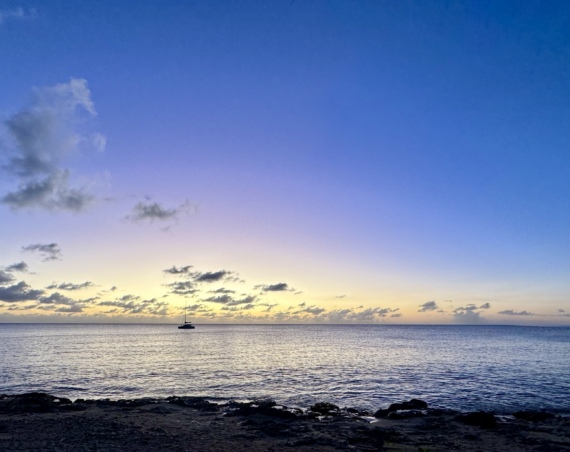
If you’re planning an evening around sunset, choose your location carefully and arrive a little early.
For inspiration, check out my guide to the best places to watch the sunset on St. Croix.
25. You May Start Thinking About Moving Here
This one might be the biggest surprise of all.
Many visitors arrive expecting a relaxing vacation and leave wondering what it would be like to live in the Caribbean.
That’s understandable. The scenery, warm weather, ocean, and slower pace of life can be incredibly appealing.
Of course, living here is different from vacationing here. There are practical realities to consider, including housing, utilities, shipping, healthcare, and the cost of everyday goods.
But for some people, the islands become more than a vacation destination.
They become home.
That’s exactly what happened to us.
A Few Tips for Your First USVI Visit
If I could offer a few pieces of advice to someone visiting the U.S. Virgin Islands for the first time, they would be these:
- Don’t overpack your schedule. Leave time to enjoy unexpected discoveries.
- Rent a vehicle if it makes sense for your plans. Some of the most memorable places are away from the busiest tourist areas.
- Bring sun protection and insect repellent. You’ll be glad you did.
- Respect the environment. Don’t touch coral, disturb wildlife, or leave anything behind on the beaches.
- Support local businesses. Try local food, explore independently owned shops, and get to know the people who make the islands special.
- Be flexible. Weather, transportation, and business hours can sometimes change unexpectedly.
Final Thoughts
The U.S. Virgin Islands is a destination that rewards curiosity.
Yes, the beaches are beautiful. The water is spectacular. And there are plenty of opportunities to relax under a palm tree.
But some of the most memorable parts of visiting the USVI are the things you didn’t expect—the friendly conversations, the winding roads, the unexpected wildlife, the history, and the little differences that make island life unique.
After years of living on St. Croix, I’m still discovering new things to appreciate.
And that’s part of what makes these islands so special.
Have you visited the U.S. Virgin Islands? What surprised you most? I’d love to hear about your experience in the comments.